
Sustainability
Regenerative Farming
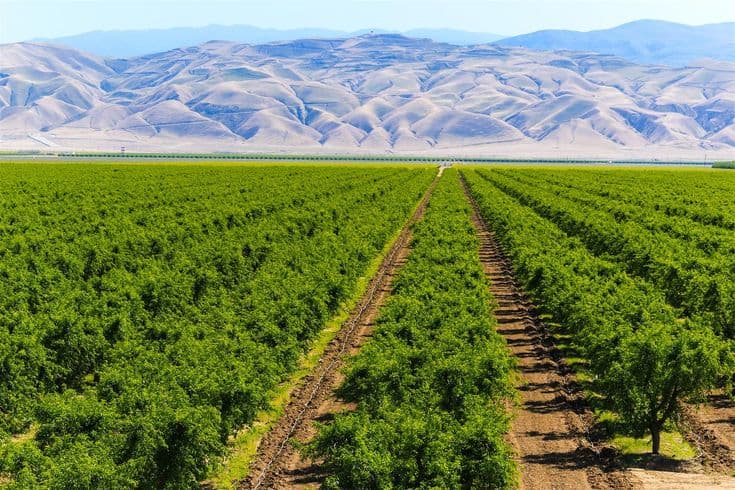
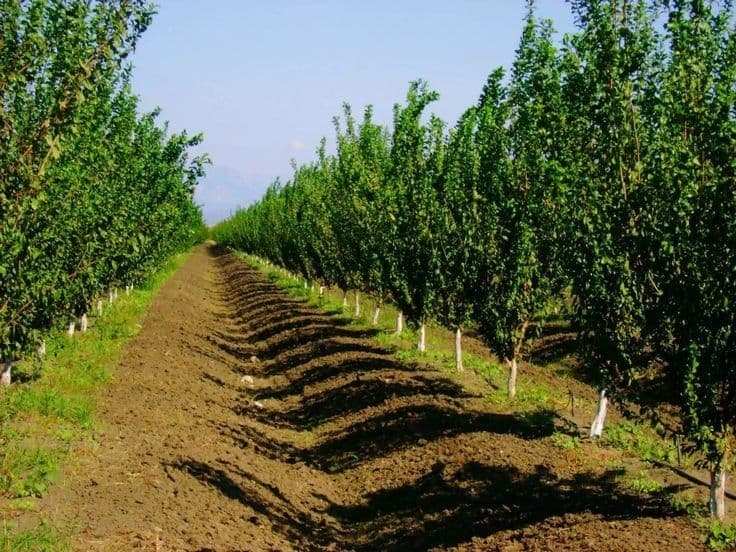
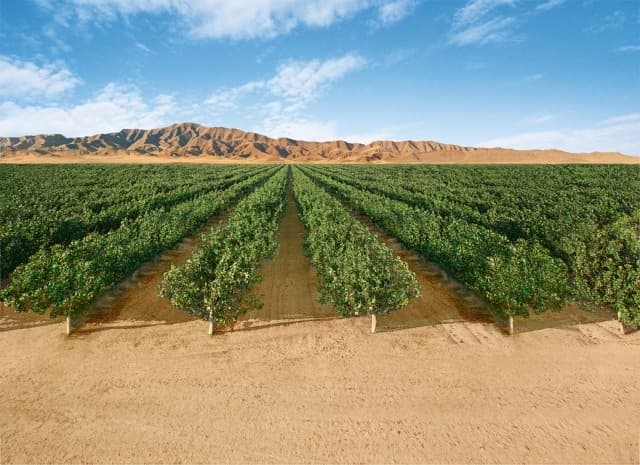
At Primex Farms, our farming philosophy starts from the ground up. We utilize regenerative agricultural practices including multi-species cover cropping, minimal tillage, and organic compost enrichment. By focusing on nourishing natural soil microbiomes, we cultivate highly resilient pistachio and almond orchards that naturally deter pests, retain moisture, and sequester carbon for generations to come.
Preserving Water
Water is our most precious resource. Operating in California's Central Valley, we employ advanced sub-surface drip irrigation and real-time soil moisture sensors. This precision technology allows us to deliver exact quantities of water directly to the root zones, eliminating evaporation waste and significantly reducing groundwater draft. We make every single drop count.
Solar Power
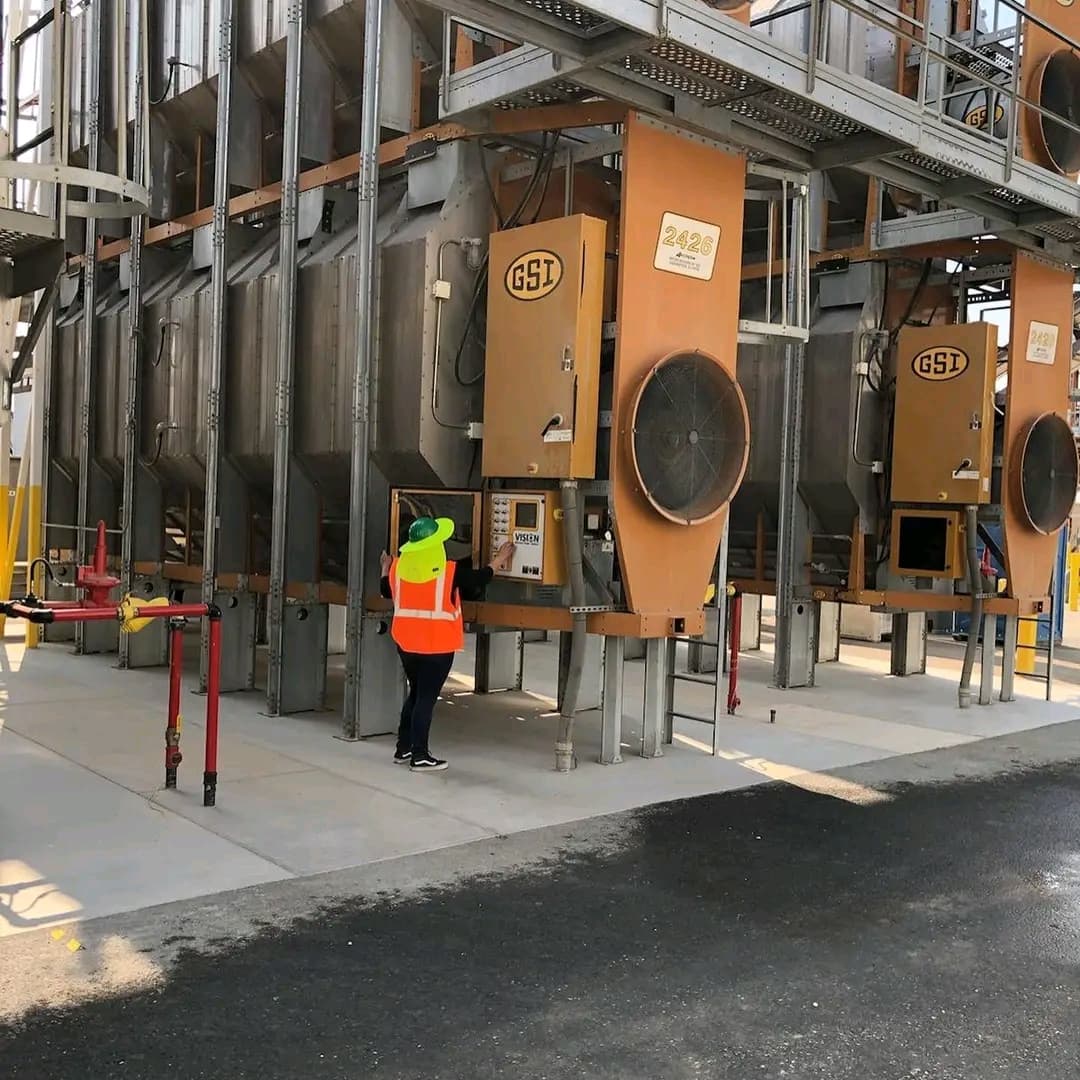
We power our state-of-the-art processing facility and orchard operations utilizing California's greatest abundance—sunshine. Our on-site multi-megawatt solar arrays generate clean, renewable electricity that offsets our carbon footprint. From sorting to packaging, our operations run on sustainable solar power.
Recycling Hulls
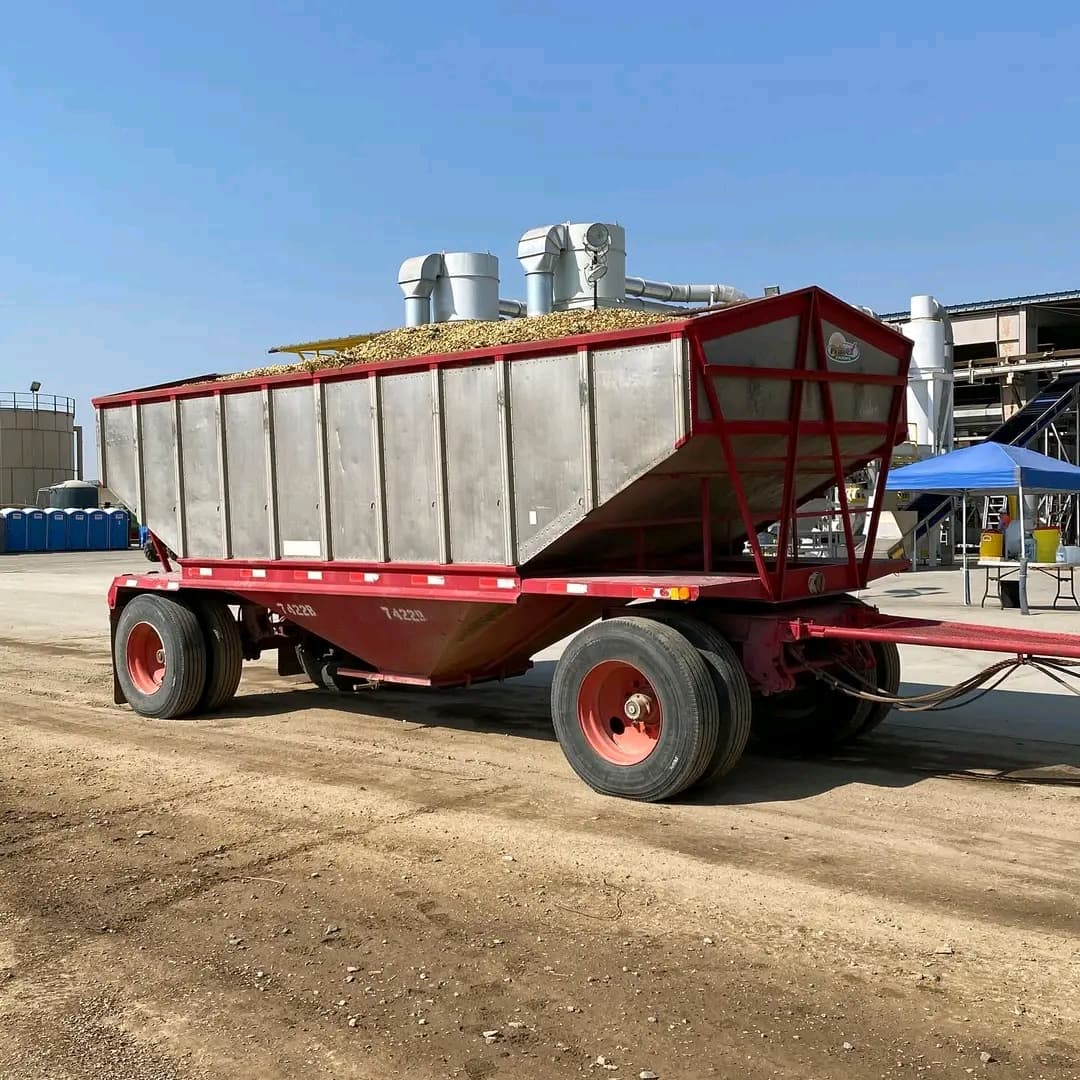
Our commitment to a circular economy means nothing goes to waste. During the hulling process, the outer green husks of our pistachios and almonds are cleanly separated. Instead of being discarded, these nutrient-rich hulls are collected and delivered to local livestock farms to be recycled as organic cattle feed, supporting California's local dairy ecosystem.
Repurposing Shells
Pistachio and almond shells are highly durable organic materials. We collect and crush 100% of our clean byproduct shells to repurpose them into premium orchard ground covers, weed-suppressing landscape mulch, and biomass fuel. By ensuring zero waste at our processing facility, we give every shell a valuable secondary life.
Ecosystem Habitat Preservation
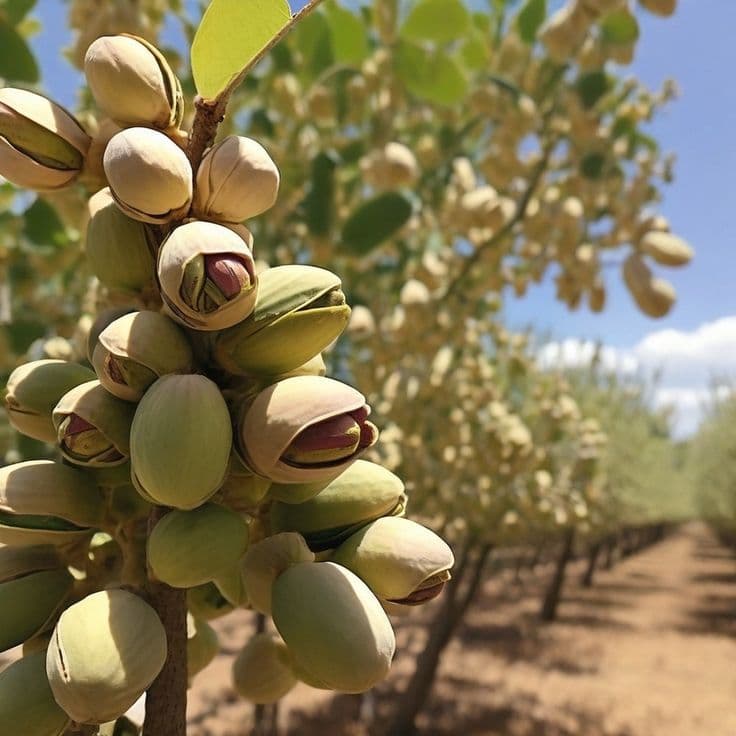
Monoculture is a threat to vital ecosystems. We actively reserve wildlife sanctuaries and cultivate native wildflower hedgerows bordering our orchards. These biological corridors provide crucial habitats for natural predators, native birds, and critical honeybee populations, maintaining a thriving ecological balance across Wasco.
Our 2030 Environmental Commitments
We believe sustainability requires measurable metrics. Primex Farms has established concrete corporate goals for 2030, holding our cultivation and facility management teams accountable through annual auditing.
Net Zero Operations
Offsetting 100% of our scope 1 and scope 2 emissions through solar, microgrid storage, and carbon credits.
1.5 Billion Gallons Recharged
Diverting wet-season runoff into groundwater banking wells to recharge local Kern County aquifers.
100% Circular Packaging
Transitioning all consumer and wholesale packaging films to compostable or fully recyclable polymer structures.
Zero Waste-to-Landfill
Recycling all agricultural byproducts (hulls, shells, sticks, dust) as livestock feed or biomass materials.
Science Focus: Tree Orchards as Carbon Sinks
Pistachio orchards are perennial crops with a productive lifespan exceeding 80 years. Unlike annual crops that are tilled and harvested each season, tree crops sequester atmospheric carbon dioxide inside their woody biomass (trunk, branches, roots) and release organic carbon into the surrounding soil profile via root exudates.
According to agricultural research models, mature pistachio trees sequester approximately 2.5 to 3.0 metric tons of CO2 equivalent per acre annually. Across our 5,000 acres of managed land, our orchards serve as an active carbon sink, capturing more than 12,000 metric tons of CO2 annually.
By maintaining a permanent vegetative cover crop between the tree rows, we further enhance soil carbon retention and prevent erosion, building a biologically rich topsoil layer that acts as a natural buffer against severe temperature spikes.
Lifecycle Assessment & Carbon Footprint Science
A lifecycle assessment (LCA) is a systematic methodology for quantifying the environmental impacts of a product across its entire lifespan — from raw material acquisition through production, use, and end-of-life disposal. Primex Farms commissioned a third-party LCA of our in-shell natural pistachio product (from orchard establishment through packaged finished goods at our Wasco facility gate) in collaboration with a UC Davis agricultural systems research team, using the ISO 14040/14044 methodology and the ecoinvent 3.9 background database. The resulting study provides a scientifically defensible, peer-reviewed quantification of our product's carbon footprint and other key environmental impact categories — data that our institutional buyers, ESG-reporting retailers, and sustainability-conscious consumers increasingly request as part of their supply chain due diligence programs.
The LCA results show that Primex Farms' cradle-to-gate carbon footprint for in-shell natural pistachios is approximately 1.42 kg CO₂-equivalent per kilogram of finished product — a figure that compares favorably with published LCA data for other nut crops and substantially better than animal-protein food categories. The largest contributors to this footprint are, in descending order: nitrogen fertilizer production and field application (contributing approximately 38% of total emissions through Haber-Bosch synthesis energy and nitrous oxide field emissions), diesel fuel combustion in farm equipment and harvest machinery (approximately 22%), electricity for irrigation pumping and facility operations (approximately 19%), and refrigerant leakage from cold storage equipment (approximately 8%). The remaining 13% is distributed across smaller sources including packaging material production, freight, and ancillary inputs.
A critical finding of our LCA is that pistachio orchards function as significant long-term carbon sinks — a benefit that partially offsets the operational emissions described above. The above-ground woody biomass of a mature pistachio orchard (trunk, scaffold branches, and lateral wood, which accumulate continuously over the 30–40 year orchard life) represents a substantial carbon stock: our oldest Kerman orchard blocks, now in their 24th year, have accumulated an estimated average of 8.4 metric tons of carbon per acre in aboveground biomass, equivalent to 30.8 metric tons of CO₂-equivalent sequestered per acre over the orchard's life to date. Below-ground, the extensive UCB-1 root system and the soil organic matter built through decades of cover-cropping add a further estimated 4.2 metric tons of carbon per acre in living root biomass and stable humus fractions — bringing total orchard carbon storage to an estimated 12.6 metric tons C per acre, or 46.2 metric tons CO₂-equivalent sequestered in perpetuity as long as the orchard remains productive. When this carbon sequestration is credited against our annual operational emissions in a net accounting framework, Primex Farms' mature orchard blocks operate at or near carbon neutrality on a lifecycle basis.
Understanding the water footprint of pistachio production is equally important for comprehensive sustainability reporting. Our LCA quantifies the blue water footprint (consumptive use of irrigation water from both surface and groundwater sources) of our in-shell product at 4.2 liters of water per gram of pistachio kernel — a metric that contextualizes our water use relative to other foods. While this figure reflects the arid conditions of California's Central Valley where virtually all crop water must be supplied through irrigation, it must be evaluated in the context of pistachio's exceptional nutritional density: pistachios deliver approximately 5.6 grams of protein, 5.7 grams of total fat, and 28.2 calories per 10-gram serving — a nutritional return per liter of water that compares favorably with many animal-protein foods that require 5–10 times more water per gram of equivalent protein. Our LCA water impact assessment uses the water scarcity weighting factor from the Available WAter REmaining (AWARE) model, which adjusts blue water consumption by the regional water scarcity index — a value of 9.4 for the Kern County agricultural zone, reflecting its classification as a water-stressed region — producing a water scarcity impact score that informs our continuing investments in irrigation efficiency and aquifer recharge.
Primex Farms uses our LCA results as the foundation for our annual ESG (Environmental, Social, and Governance) impact report, published each April following the completion of the prior year's crop and processing cycle. The ESG report tracks year-over-year progress against our 2030 sustainability goals: a 30% reduction in per-unit carbon footprint (from our 2020 LCA baseline of 1.78 kg CO₂e/kg), a 25% reduction in per-acre blue water consumption (from our 2020 baseline of 4.8 liters/gram kernel), zero Scope 1 direct greenhouse gas emissions from our processing facility through solar electrification by 2028, and 100% certified sustainable packaging for all retail formats by 2027. Progress against these goals is disclosed openly in our ESG report, including honest accounting of years where progress was slower than planned — an approach to transparency that we believe builds more durable trust with buyers and stakeholders than aspirational reporting that glosses over implementation challenges.
Biodiversity, Soil Health & Ecosystem Services
Biodiversity — the variety of living species and ecological communities within an area — is increasingly recognized as a foundational element of sustainable agriculture. Biodiverse farming systems are more resilient to pest outbreaks and disease pressure, more capable of natural nutrient cycling, and better able to withstand the biological shocks of climate variability. At Primex Farms, we measure biodiversity not as an abstract value but as a set of quantifiable on-farm ecological metrics that we monitor annually: native bee species richness in insectary plantings (currently 14–18 species during peak bloom), soil invertebrate diversity by soil core sampling (currently averaging 22 invertebrate families per 100 cm² soil core at 0–15 cm depth in our cover-cropped orchard blocks versus 9 families per core in disc-cultivated comparison blocks), and beneficial insect abundance during the growing season (measured by sticky yellow trap catches of parasitic wasp adults in Malaise trap samples).
The cover cropping program that underpins our soil health investments is managed with a specificity that goes beyond simply sowing any seed mix in October. Our current standard mix for non-bearing blocks (orchards in their first three years after planting) uses a legume-heavy blend of crimson clover, hairy vetch, and bell bean at a seeding rate of 40 lbs/acre, timed to capitalize on early fall rain events that initiate germination before the first frost period. The legume species fix atmospheric nitrogen through symbiotic Rhizobium bacteria in their root nodules — estimated at 40–80 lbs of biological nitrogen fixation per acre per season in a fully established stand — reducing the need for synthetic nitrogen fertilizer application in the spring following cover crop incorporation. For mature bearing orchard blocks, we shift to a grass-dominant mix of cereal rye and annual ryegrass at 25 lbs/acre, which provides heavy biomass for organic matter contribution and strong weed suppression without the risk of excessive nitrogen contribution that could stimulate late-season vegetative growth at the expense of hull split.
Soil health monitoring at Primex Farms goes beyond standard agronomic soil testing. We participate in the Haney Soil Health Test program (developed by Dr. Rick Haney at the USDA Agricultural Research Service in Temple, Texas), which quantifies soil biological activity through carbon and nitrogen mineralization assays, soil respiration measurements using a 24-hour CO₂ burst assay, and the Water Extractable Organic Carbon and Nitrogen fractions — parameters that together provide an index of the soil's biological vitality that is not captured by standard Mehlich-3 chemical extractions. Our Haney scores have increased from a baseline average of 11.2 in 2018 (our first year of participation) to 18.7 in 2024 across our mature orchard blocks — a 67% improvement in the biological health index that correlates with our observed increases in soil organic matter content and our reduced need for synthetic nitrogen inputs over the same period.
The ecosystem services provided by Primex Farms' orchards and insectary plantings extend beyond the farm boundary in measurable ways. Our 4.7 acres of native insectary plantings support populations of beneficial insects — particularly native bees and parasitic wasps — that forage across a landscape radius of 0.5–2 miles, providing natural pest suppression services to neighboring farms even when those farms don't invest in their own habitat. Our soil organic matter improvements reduce the erodibility of our orchard soils, decreasing dust and particulate matter that would otherwise be mobilized by Kern County's strong spring winds and deposited on nearby roads and residential areas — a measurable air quality benefit for the Wasco community. And our aquifer recharge activities, which percolate flood water into the local groundwater basin, benefit all well users in the vicinity, not just Primex Farms.
Primex Farms is an active participant in the USDA Natural Resources Conservation Service (NRCS) Environmental Quality Incentives Program (EQIP), which provides cost-sharing payments to agricultural producers who implement conservation practices that deliver measurable environmental benefits. Our current EQIP contracts fund a portion of our insectary planting establishment costs, our soil health monitoring program, and our riparian buffer establishment along a seasonal drainage channel that crosses our property — a 0.4-acre planting of native willow, cottonwood, and riparian grass species that filters agricultural runoff, provides wildlife corridor connectivity, and creates shaded microhabitat that supports amphibian populations including the threatened California tiger salamander that inhabits vernal pool complexes in the surrounding landscape.
Looking to the future, Primex Farms is evaluating participation in California's Healthy Soils Program (HSP), a state-funded incentive program that pays agricultural producers to implement soil carbon-building practices and requires documented third-party measurement and verification of soil carbon sequestration outcomes. The HSP creates a pathway for Primex Farms to generate California Compliance Offset Credits under the Cap-and-Trade program — carbon credits that represent verified sequestration of CO₂ in agricultural soils and can be sold to California industrial emitters seeking to offset their regulated greenhouse gas emissions. The economic value of these credits, currently trading at $28–35 per metric ton of CO₂-equivalent, could provide significant additional revenue on top of our pistachio sales — a financial incentive that perfectly aligns with our existing ecological commitment to building soil organic matter through cover cropping and reduced tillage.
Building a Culture of Sustainability
Sustainability at Primex Farms is not a set of programs imposed from the top down — it is a culture woven into the daily decisions made by every member of our team, from the irrigation engineer adjusting a pump schedule to the warehouse operator choosing to repair a bin liner rather than replace it. This culture is cultivated deliberately through a combination of education, recognition, and shared accountability systems that make environmental responsibility a meaningful part of every employee's role.
Our annual Sustainability Week — held each March to coincide with California Ag Day — brings together all Primex Farms employees for a full week of sustainability-focused activities and learning. The week includes a half-day field tour of our insectary plantings and aquifer recharge basin led by our head agronomist, a hands-on soil health demonstration where employees can observe the difference in soil biology between our cover-cropped blocks and adjacent bare-ground areas, a presentation by our food scientist on aflatoxin prevention and how our farming practices reduce mycotoxin risk — connecting each employee's individual work to the food safety outcome our customers depend on — and a solar energy monitoring session at our PV arrays where employees can see real-time generation data and calculate how their day's work is powered by sunshine rather than fossil fuels.
The Primex Green Champions program provides a structured channel for employee-generated sustainability improvement ideas. Any employee can submit a Green Champion proposal — a written description of a practice change, equipment upgrade, or process innovation that would reduce the environmental impact of their work area — through our internal intranet system. Proposals are reviewed monthly by a cross-functional Green Committee comprising representatives from operations, agronomy, quality, and HR. Approved proposals receive implementation support from the relevant department manager, and the employee who submitted the proposal receives public recognition at the all-hands monthly meeting, a $200 gift card, and a notation in their personnel file that is considered in annual performance reviews. In the past three years, 47 Green Champion proposals have been implemented, yielding a collective estimated annual reduction of 38 metric tons of CO₂-equivalent emissions and 160 acre-feet of water consumption — improvements that would have required tens of thousands of dollars in external consulting to identify if management had not created the channel to capture employee knowledge.
Primex Farms' commitment to sustainability extends to our procurement decisions. Our purchasing policy requires that all new capital equipment purchases above $10,000 include a lifecycle environmental impact assessment as part of the procurement evaluation — a requirement that has led our facilities team to select variable-frequency drive motor controllers over fixed-speed alternatives, LED retrofit lighting over fluorescent, and electric pallet jacks over propane-powered alternatives in recent equipment replacement cycles. Our packaging procurement team similarly evaluates environmental attributes alongside cost and quality: our current retail packaging specification requires a minimum 30% post-consumer recycled content in all paper-based packaging materials, and we are working with our packaging supplier to transition all retail bag formats to mono-material recyclable structures by 2027 — a change that will eliminate the multi-layer laminate waste streams that currently make our foil barrier bags difficult to recycle through standard consumer recycling programs.
Enriching the Earth,
Harvest by Harvest
Every bulk contract or packaging supply partner at Primex Farms directly finances ongoing investments in Central Valley water networks, solar systems, and regenerative soil science. Together, we secure a prosperous, zero-waste agricultural future.